product
How Do Vegetable Chips Snacks Compare To Other Healthy Snacks Like Fruit Chips Or Kale Chips?
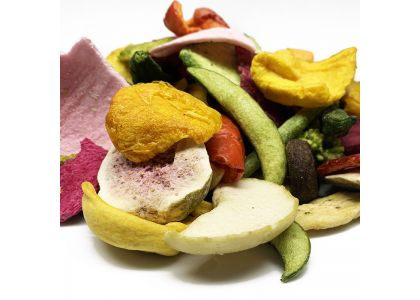
Health-conscious shoppers searching for a pleasant yet nourishing substitute for typical snacks have grown to favor veggie chip snacks. A number of considerations are involved when contrasting Vegetable Chips with other healthful snack options, such as fruit or kale chips: nutritional value, flavor, texture, and overall health advantages. Customers can choose wisely when adding these snacks to a balanced diet by being aware of these distinctions.
Root vegetables like sweet potatoes, carrots, beets, and parsnips are commonly used to make vegetable chips. To give these chips a crispy quality, they are frequently seasoned and baked or fried. Depending on the type of vegetable and cooking technique, vegetable chips can have varying amounts of nutrients. In general, they offer an excellent supply of vitamins and minerals, including vitamin A from sweet potatoes and carrots and folate and potassium from beets. But be aware that frying can increase the amount of calories and add bad fats, so keep that in mind.
On the other hand, fruits including apples, bananas, strawberries, and mangoes that have been freeze-dried or dehydrated are used to make fruit chips. These chips are a favorite among people who have a sweet tooth since they maintain a large portion of the fruit's natural sweetness and flavor. In terms of nutrition, fruit chips provide a good source of dietary fiber and vitamins, particularly C. To increase their sweetness, certain commercial fruit chips, however, could contain additional sugars, which can lessen the overall health advantages of the chips. To make sure there are no superfluous additives in the product, it is imperative to review the ingredient list.
Another nutritious snack option are kale chips, which are created from baked or dehydrated kale leaves. Rich in antioxidants, calcium, iron, and vitamins A, C, and K, kale is well-known for having an amazing nutritional profile. Generally speaking, kale chips are lower in calories and fat than fruit and vegetable chips-especially if they're baked instead than fried. They are a great option for digestive health because they also provide a decent quantity of dietary fiber. Those who favor savory snacks over sweet ones will find kale chips appealing due to their flavorful, slightly bitter taste and variety of seasoning possibilities.
It's important to take the cooking techniques into account while comparing these munchies. When opposed to fried snacks, baked or air-dried snacks typically have less added fat and more nutrients. For example, the nutritional profile of baked vegetable chips and kale chips is typically superior than that of their fried equivalents. Fruit chips that have been freeze-dried usually keep the majority of their natural nutrients and have a longer shelf life without the need for preservatives. However, throughout the drying process, traditional dried fruit chips may lose some of their vitamins and may contain additional sugars.
Considerations for flavor and texture are also crucial. In addition to having a crunchy texture, vegetable chips can be seasoned in a number of ways to accommodate a range of palate preferences. Fruit chips are a popular snack for both kids and adults because they are usually crispier, lighter, and naturally sweet. Even though they are crunchy, kale chips occasionally have a more delicate texture and a unique, slightly bitter flavor that not everyone will enjoy. To improve their flavor, they can be seasoned with a variety of spices and flavorings.
When eaten in moderation and as part of a balanced diet, all three varieties of chips can contribute to a healthy overall diet. Fruit chips offer fiber and natural sugars, Vegetable Chips can supply important vitamins and minerals, and kale chips are a great source of vitamins and antioxidants. It's important to choose goods with few additional ingredients and pay attention to portion sizes because these convenient snack options can easily lead to an overindulgence in calories.
The decision between kale chips, fruit chips, and vegetable chips ultimately boils down to dietary requirements and personal taste. Fruit chips may appeal to individuals with a sweet palate, but others seeking a savory snack may like the adaptability of vegetable or kale chips. It's also a good idea to think about preparing these snacks at home, where you can make sure they're as nutritious as possible by controlling the ingredients and cooking techniques.
In conclusion, healthy substitutes for conventional snacks like potato chips include kale chips, fruit chips, and vegetable chips. Each has special advantages. Through comprehension of the nutritional values, taste characteristics, and preparation techniques of each, customers may make more informed decisions that complement their dietary choices and well-being objectives. By include a range of these snacks in your diet, you can get a diversity of flavors and nutrients, which will make eating healthy fun and long-lasting.
