product
Is Vacuum Frying Better Than Conventional Frying for Commercial Snack Manufacturing?

Yes, for modern commercial manufacturing of premium fruit and vegetable chips, vacuum frying is definitively better than conventional frying when it comes to product quality, consumer appeal, and long-term market competitiveness. As consumer demand for healthier, more natural snack products continues to grow around the world, more and more snack manufacturers are switching from conventional frying to vacuum frying technology to meet this demand. This article examines the advantages and challenges of vacuum frying from a commercial production perspective, compares it to conventional frying across key manufacturing metrics, and explains why it has become the preferred choice for producers of premium vegetable chips.
Comparison of Vacuum Frying vs. Conventional Frying in Commercial Production
The table below compares the two frying technologies across key metrics that matter to commercial snack manufacturers:
|
Metric |
Conventional Frying |
Vacuum Frying |
|---|---|---|
|
Initial Equipment Investment |
Low ($$) |
High ($$$$) |
|
Production Rate per Hour |
High |
Medium-Low |
|
Labor Cost per Unit |
Lower |
Higher |
|
Energy Consumption per kg Product |
Lower |
Higher |
|
Final Product Oil Content |
35-45% |
10-25% |
|
Natural Flavor Retention |
Moderate |
Excellent |
|
Natural Color Retention |
Poor (more browning) |
Excellent |
|
Acrylamide Level |
Often exceeds EU limits |
Consistently within safety limits |
|
Consumer Willingness to Pay |
Lower price point |
20-50% price premium |
The Commercial Case for Vacuum Frying in the Snack Industry
The snack food market has changed dramatically over the past two decades. Today’s consumers are no longer just looking for a cheap, crispy snack – they’re looking for snacks that are healthy, made from natural ingredients, and retain the original flavor and nutrition of the fruits or vegetables they’re made from. This shift in consumer demand is what has driven the adoption of vacuum frying technology in the commercial snack sector.
One of the biggest commercial advantages of vacuum frying is that it allows manufacturers to create a product that commands a price premium in the market. Consumers are willing to pay 20% to 50% more for vacuum-fried vegetable chips because they perceive them as being healthier and higher quality than conventionally fried chips. This higher price point helps manufacturers offset the higher initial investment and operating costs of vacuum frying technology. In many markets, the margin per kilogram of vacuum-fried chips is actually higher than it is for conventionally fried chips, even after accounting for the higher production costs.
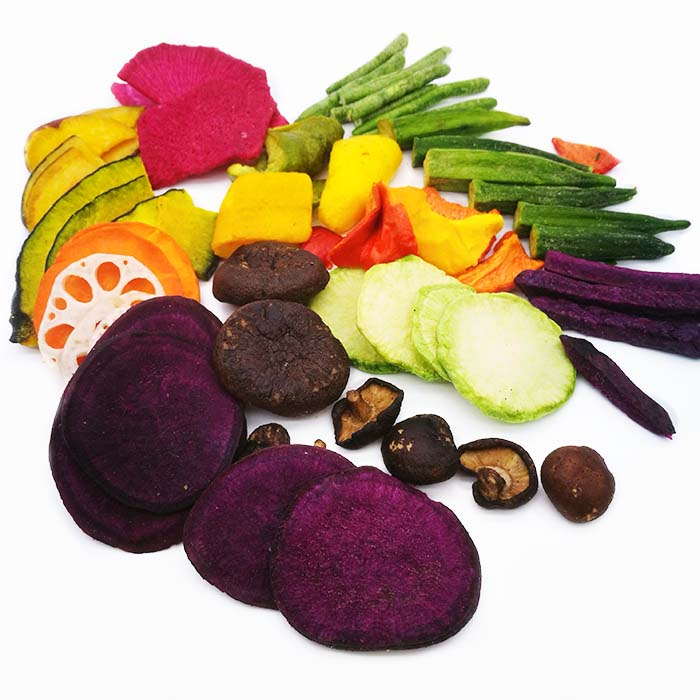
Another key advantage for commercial production is that vacuum frying allows manufacturers to create products that maintain the natural color and flavor of the original fruit or vegetable. With conventional frying, the high temperatures cause significant browning and flavor degradation, which means that you often need to add more artificial flavorings and colorings to get the desired product. With vacuum frying, the lower temperatures preserve the natural color and flavor of the vegetables, which means you can market your product as "all-natural" and "no artificial additives," which is a huge selling point for today’s consumers.
Vacuum frying also makes it easier for manufacturers to meet increasingly strict food safety regulations around the world. Many regions, including the European Union, have set strict limits on the amount of acrylamide that can be present in fried foods. Conventional frying often produces levels of acrylamide that exceed these limits, especially for starchy products like potato and sweet potato chips. With vacuum frying, the lower temperatures mean that acrylamide formation is greatly reduced, so it’s much easier to consistently meet the regulatory requirements. This reduces the risk of product recalls and helps manufacturers maintain access to export markets.
Challenges of Implementing Vacuum Frying in Commercial Production
While vacuum frying has many advantages for commercial snack production, it also comes with significant challenges that manufacturers need to be prepared for. The biggest challenge is the high initial capital investment required to install a vacuum frying line. A complete commercial vacuum frying system can cost two to five times more than a conventional frying system with the same nominal capacity. This means that smaller manufacturers may not be able to afford to make the switch, even if they want to.
Another challenge is that vacuum frying has a lower production rate than conventional frying. Because the frying process takes longer and each batch has to be processed under vacuum, the total amount of product you can produce per hour is lower than it is with conventional frying. This means that you need more production floor space and more equipment to produce the same amount of product, which further increases the cost.
Energy consumption is another challenge. Because you need to maintain a vacuum in the frying chamber and the frying process takes longer, vacuum frying consumes more energy per kilogram of finished product than conventional frying. This increases the operating cost of the facility, which again needs to be offset by the higher price of the final product.
However, as vacuum frying technology has improved over the years, many of these challenges have been reduced. Newer vacuum frying systems are more energy-efficient and have higher production rates than older systems, which helps bring down the cost per unit. As the technology becomes more widely adopted, the cost of equipment has also come down, making it more accessible to medium-sized manufacturers.
How to Decide Between Vacuum and Conventional Frying for Your Business
Whether vacuum frying is better than conventional frying for your business depends on what kind of market you’re targeting. If you’re producing value-priced commodity potato chips for the mass market, where price is the main competitive factor, then conventional frying is probably still the better choice. The lower production costs allow you to sell at a lower price point, which is what that market segment demands.
However, if you’re producing premium healthy snacks targeting health-conscious consumers, or if you’re exporting to markets with strict food safety regulations, then vacuum frying is almost certainly the better choice. The ability to produce a higher quality product that meets consumer demand for healthier snacks allows you to command a higher price and build a stronger brand in the marketplace. Many manufacturers have found that even with the higher production costs, the higher margins and stronger brand loyalty that come with a premium vacuum-fried product make it a more profitable business in the long run.
The growing global trend toward healthier eating means that the demand for vacuum-fried vegetable chips is only going to continue to increase in the coming years. Manufacturers who invest in vacuum frying technology now will be well-positioned to take advantage of this growing demand.
For commercial manufacturers of premium fruit and vegetable chips, vacuum frying is clearly better than conventional frying. It produces a higher quality product that meets consumer demand for healthier, more natural snacks, it helps manufacturers meet strict food safety regulations, and it allows you to command a price premium that offsets the higher production costs. While there are significant upfront costs and operational challenges to implementing vacuum frying, the long-term benefits for your brand and your bottom line make it a worthwhile investment for most premium snack producers.
We're TTN from Tianjin, a foreign trade company specialized in exporting vacuum-fried vegetable products. All of our products are 100% made from real vegetables. Every year, we export over 30 tons of fruit and vegetable chips to regions including Europe, the Middle East, North Asia, Eastern North America and East Asia. It's such a great snack option!
Feel free to reach out to us if you'd like to know more!