product
Can Freeze-Dried Strawberries Go Bad During International Export And Storage?

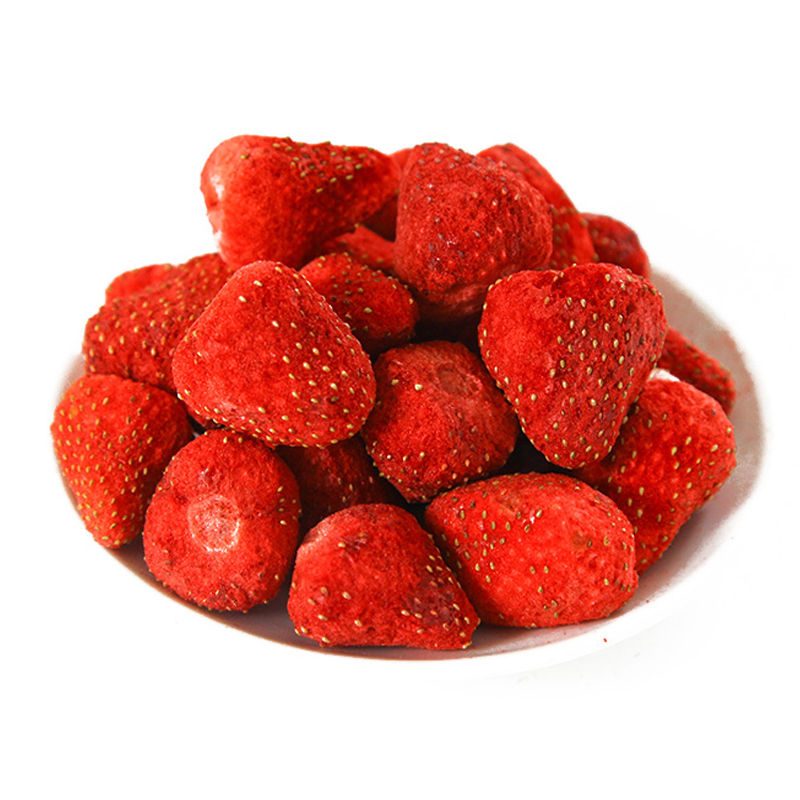
While freeze-dried strawberries have a naturally long shelf life, they can still go bad during international export and long-term commercial storage if proper packaging, handling, and storage protocols are not followed consistently throughout the supply chain. However, when processed and packaged correctly for export, pure freeze-dried strawberries can easily maintain excellent quality and safety from the processing facility in Tianjin all the way to the end customer in Europe, North America, or any other international destination. For export-focused food manufacturers and distributors, understanding the factors that cause spoilage and how to prevent them is key to delivering high-quality freeze-dried strawberry products to your international customers. This article explains what causes freeze-dried strawberries to go bad during export and commercial storage, and how you can prevent spoilage with the right processing, packaging, and supply chain management.
Expected Commercial Shelf Life of Freeze-Dried Strawberries By Packaging Type For Export
The table below shows the typical maximum shelf life of freeze-dried strawberries for export when stored in standard commercial warehousing conditions (18-22°C, 40-50% humidity):
|
Packaging Type |
Sealed Unopened Shelf Life (Export Distribution) |
Recommended Best Before Window For Retail |
|---|---|---|
|
Vacuum-sealed foil laminate pouch |
24-36 months |
18-24 months |
|
Nitrogen-flushed foil pouch |
30-42 months |
24-30 months |
|
Bulk poly drum with food-grade liner |
12-18 months (for intermediate bulk) |
12-18 months before repackaging |
|
Standard plastic bag (not vacuumed/flushed) |
6-12 months |
Not recommended for long export supply chains |
Key Factors That Cause Freeze-Dried Strawberries To Spoil In Export Supply Chains
There are three main factors that can cause freeze-dried strawberries to go bad during international export and long-distance transportation: moisture penetration, temperature fluctuations, and packaging damage. Understanding how these factors work helps you prevent problems and maintain product quality.
Moisture is the biggest risk for freeze-dried products. The entire point of freeze-drying is to remove almost all of the moisture from the strawberries to prevent microbial growth, so any moisture that gets into the packaging during transportation or storage is a serious problem. International shipping often involves crossing different climate zones, so condensation can form inside packaging if temperature changes cause moisture in the air to condense. If the packaging is not properly sealed or does not have a good moisture barrier, moisture from humid air will gradually get into the packaging, increase the moisture content of the strawberries, and eventually lead to mold growth and spoilage. That's why high-quality moisture-barrier packaging is absolutely essential for export shipments.
Temperature is the second major factor. Even if no moisture gets in, storing freeze-dried strawberries at consistently high temperatures (above 25°C for long periods) will speed up the oxidation of natural oils in the fruit, which leads to off-flavors, rancidity, and nutrient loss much faster than it happens at cooler temperatures. While the product will not necessarily become unsafe to eat immediately, it will lose quality before it reaches the end customer, which hurts your brand reputation. Long ocean shipping routes through tropical regions can expose containers to high temperatures for weeks at a time, so working with a supplier that uses quality packaging helps protect against this.
Finally, packaging damage during loading, unloading, and transportation can let moisture and air in. If the outer shipping packaging is not strong enough, or the inner packaging gets punctured, the seal can break, which allows moisture to get in. This is why export packaging needs to include both a high-quality inner barrier layer and strong outer protection for bulk shipments.
Best Practices For Preventing Spoilage In International Export
To make sure your freeze-dried strawberries do not go bad before reaching your international customers, there are several best practices you should follow. First, always work with a supplier that uses export-appropriate packaging. Look for vacuum sealing or nitrogen flushing with a moisture-proof foil laminate barrier. This removes oxygen from the package, which slows down oxidation, and prevents moisture from getting in. Nitrogen flushing is particularly good for long export routes because it replaces the oxygen inside the package with inert nitrogen gas, which slows down oxidation and extends shelf life significantly.
Second, when you are planning ocean freight shipments, try to avoid routing your shipments through the hottest regions during the hottest seasons if possible, and use temperature-controlled containers if your budget allows, especially for large bulk shipments that will be on the water for a long time. Even though this adds a little to your shipping cost, it prevents the risk of losing an entire shipment to quality degradation.
Third, once the shipment arrives at your warehouse, store the freeze-dried strawberries in a cool, dry area of the warehouse with controlled humidity. Do not store them near loading docks that are open to outside air in humid climates, and do not store them near areas where temperature fluctuates a lot like near loading bay doors. Good warehouse management practice extends the shelf life of your inventory significantly.
Finally, always rotate your inventory using the first-in, first-out (FIFO) method to make sure that older stock is shipped out before newer stock, which prevents products from sitting in your warehouse past their best before date.

Freeze-dried strawberries can indeed go bad during international export if you do not follow the right practices for packaging, shipping, and storage, but with the right processing, packaging, and supply chain management, they can maintain excellent quality for two to three years, which is more than enough time for even the longest international export supply chains. Working with a reliable experienced export supplier that understands the requirements of international shipping helps you avoid spoilage problems and deliver consistent quality to your customers.
Tianjin TTN is a leading exporter of premium freeze-dried fruit and vegetable chips, with a product range of over 100 varieties all made from 100% whole natural fruit and vegetables, with zero additives, no added sugar, and no maltodextrin. We understand the specific requirements of international export and package all of our products specifically for long-distance shipping and long shelf life. Every year, we export more than 50 tons of our high-quality freeze-dried products to customers across Europe, the Middle East, North America, and East Asia, where they are used in a wide range of applications from smoothies and baked goods to premium chocolate and artisanal jams. If you are looking for a reliable export supplier that can provide consistent quality freeze-dried strawberries with packaging optimized for international distribution, please do not hesitate to contact us today to discuss your requirements and request product samples and specifications.