product
Is Freeze-Dried Fruit Classified As Processed Fruit For Global Export Customs And Trade Compliance?

Yes, for international customs, tariff classification, food import clearance, and global export regulatory purposes, pure freeze-dried fruit is almost universally classified as a processed fruit product in almost every major importing market worldwide, and this classification has many important practical implications for how you structure your supply chain, declare your products to customs authorities, manage your import tariffs, label your products, and avoid unexpected border delays or compliance problems. For international food trading companies and food manufacturers importing these ingredients, understanding exactly how different countries classify freeze-dried fruit under their national tariff codes and food safety import rules is not an abstract theoretical debate, it is a critical operational requirement that directly impacts the cost, speed, and reliability of your entire international supply chain. This article explains the practical export compliance reality around freeze-dried fruit classification and how smart importers can leverage this understanding to build a more robust, lower-risk global sourcing strategy.
Harmonized System (HS) Tariff Code Classification For Freeze-Dried Fruit Around The World
The starting point for every global trade discussion is the international Harmonized System (HS) coding system that every World Customs Organization member country uses. At the 6-digit international level, almost all countries of the world classify all dried fruits under the common HS code chapter 08, which covers edible fruit and nuts. Within that chapter, pure freeze-dried fruit products are explicitly classified under heading 08.05 or 08.13 depending on the specific fruit, with the classification clearly marked as "dried fruit", which is a subcategory of processed fruit products. This means there is no major country in the world that treats freeze-dried fruit as "unprocessed" fresh fruit under customs rules. Fresh fruit gets classified under different HS 08 codes for fresh produce, and it typically has very strict phytosanitary quarantine rules and very short import shelf life windows. Freeze-dried fruit, as a processed dried fruit product, falls into a completely different, far more manageable regulatory path.
This is actually a very good thing for most international food importers. Because freeze-dried fruit is classified as a processed fruit product, it is almost never subject to the extremely strict, complicated, and frequently changing fresh fruit phytosanitary quarantine requirements that many countries use to block the importation of fresh produce, to protect their local agricultural industries from foreign pests and plant diseases. When you import fresh fruit into most countries, you need complicated official government phytosanitary certificates from the country of origin, pre-border inspection approval, and very strict cold chain temperature management all the way through the transit. Because freeze-drying is a dehydration process that kills almost all pest organisms, almost every customs authority in the world waives those heavy fresh-fruit phytosanitary requirements for processed dried fruits including freeze-dried products. That makes the entire import clearance process far more reliable and much less likely to be delayed by unexpected quarantine issues at the border.
Practical Benefits Of This Processed Fruit Classification For International Traders
There are several very significant operational advantages that come from freeze-dried fruit being correctly classified as a processed fruit product in international trade:
First, as we just mentioned, almost no fresh-fruit level phytosanitary restrictions. The risk of live insect pests or plant pathogens surviving in a low-moisture freeze-dried fruit product with less than 3% residual moisture is effectively zero. Import regulators know this fact very well, so they do not apply the same border quarantine controls they apply to fresh apples or fresh strawberries. That reduces the number of clearance documents you need to submit at the port of entry significantly, and it greatly lowers the chance of your entire container being detained at the border for a quarantine inspection that can take weeks.
Second, the food safety requirements for processed fruit products are predictable, standardized, and much easier for experienced suppliers to comply with consistently. Instead of the variable, highly perishable, daily-changing testing that fresh produce needs, processed freeze-dried fruit only needs standard food safety documentation: a food safety management system certificate like HACCP or ISO 22000, a laboratory test report for microbiology and heavy metals, a product ingredient statement, and a standard commercial invoice and packing list. These are all documents that any professional experienced export supplier can provide reliably for every single shipment. This makes your import documentation workflow predictable, not a constant source of surprises.
Third, the shelf life of correctly produced pure freeze-dried fruit is typically 24 months or longer, which means you are never working against an extremely tight expiry deadline the way you are with fresh fruit that can expire in a matter of days. As an international trader, you can ship the product slowly via sea freight instead of paying for expensive air freight, you can hold safety stock in a local warehouse in your target market, and you never need to rush your shipments through customs to avoid the entire cargo going bad. That creates a huge amount of logistical flexibility for your business model. You can plan your sourcing and inventory operations far more efficiently, without the extreme time pressure that comes with fresh produce logistics.
Common Classification Mistakes Importers Need To Avoid
Unfortunately, many new importers make dangerous mistakes when they declare freeze-dried fruit customs classification, which can lead to serious compliance problems:
The first common mistake is incorrectly trying to classify pure 100% freeze-dried fruit under the unprocessed fresh fruit HS codes, in the mistaken belief that lower tariffs will apply. This is a very bad idea. Your customs broker will almost certainly flag this declaration as suspicious, and the customs authority may open a full investigation of your product, which can lead to cargo detention, financial penalties, and even temporary import bans. You should always declare freeze-dried fruit clearly as the processed dried fruit product that it is.
The second common mistake is mixing pure 100% fruit freeze-dried ingredients with products that contain added sugar, maltodextrin, or other additives, and then trying to declare them all under the same zero-additive pure fruit classification. That will eventually get you in trouble with food safety regulators, because the two products have different ingredient profiles, different labelling requirements, and sometimes different tariff rates. You need to keep those two product lines completely separate in your declaration paperwork.
The third very common mistake is underestimating the different labeling requirements that apply to processed food products in different target markets. Because freeze-dried fruit is a processed food product, it is subject to all of the standard processed food labeling rules in each of your importing markets, which include a full ingredient list, net weight declaration, best before date, lot number, name and address of the importer, and nutritional information panel. None of these requirements apply the same way to unprocessed whole fresh fruit, so a lot of new importers overlook them and end up with non-compliant product that they cannot legally sell in their target market. Working with an experienced supplier who already understands the labeling requirements across multiple global markets can save you an enormous amount of expensive hassle.
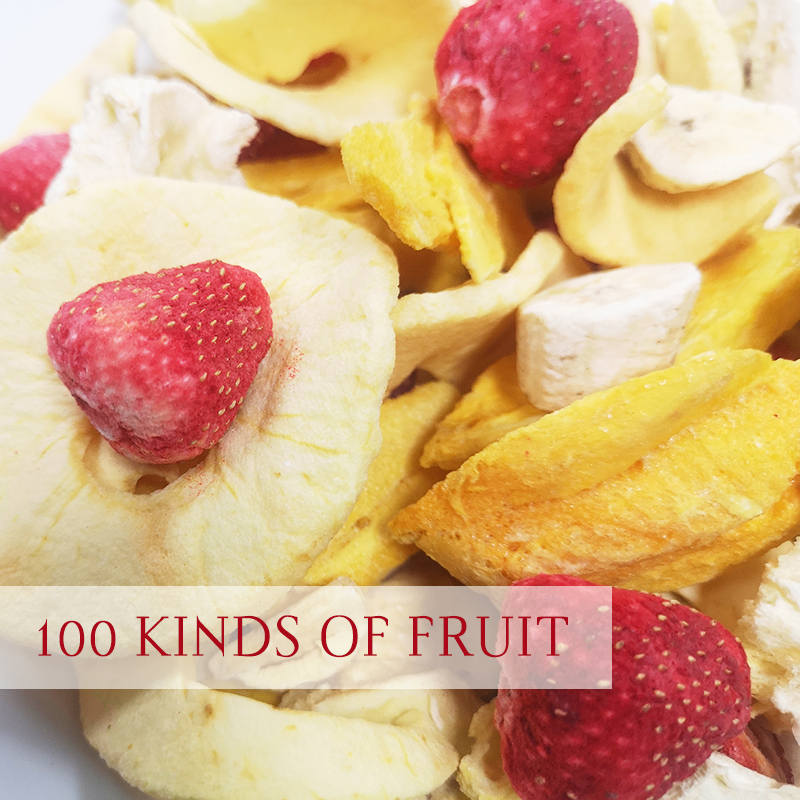
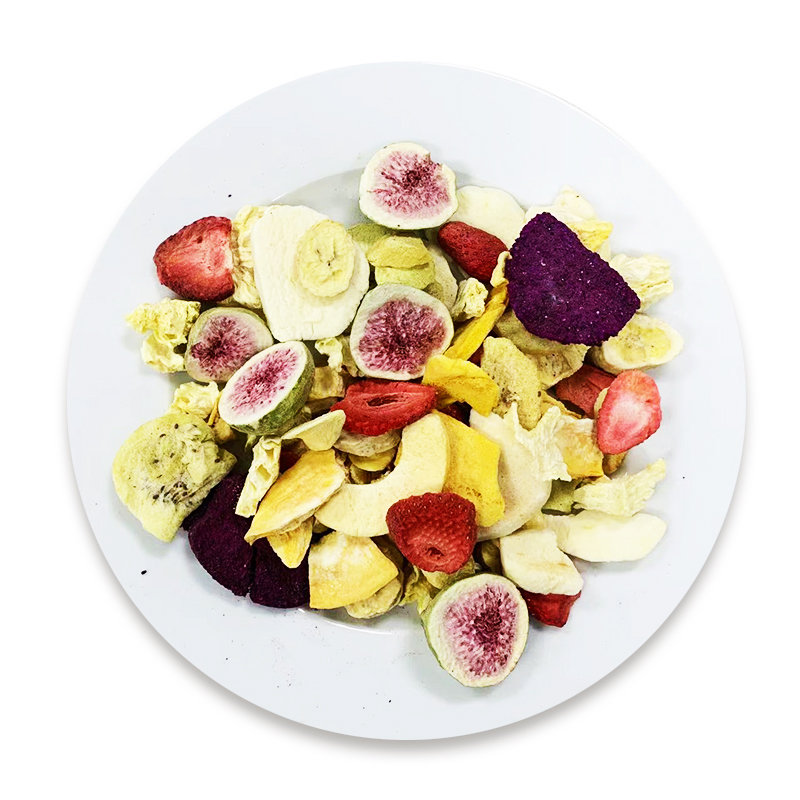
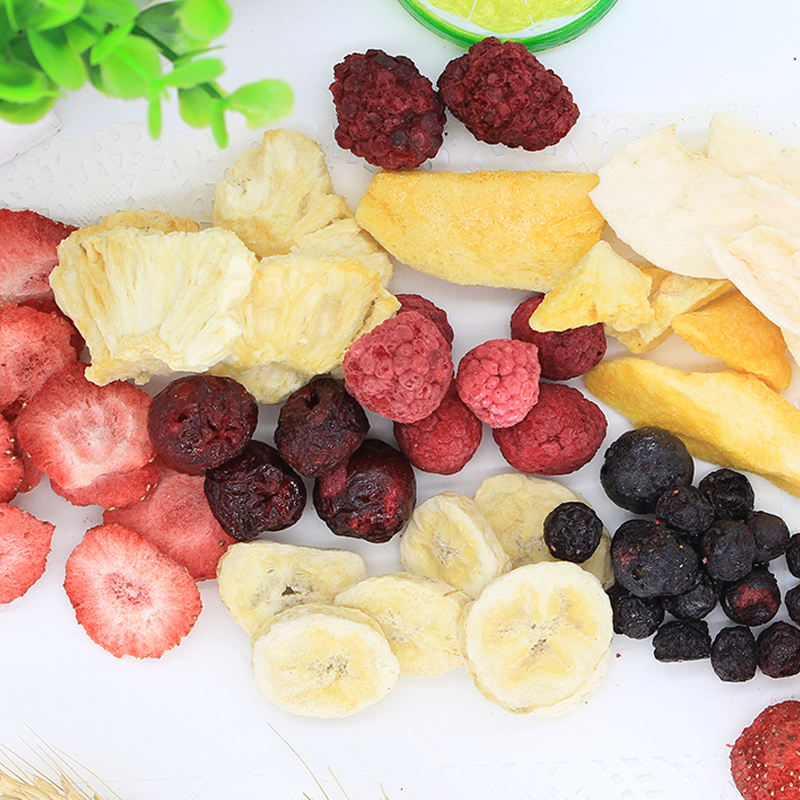
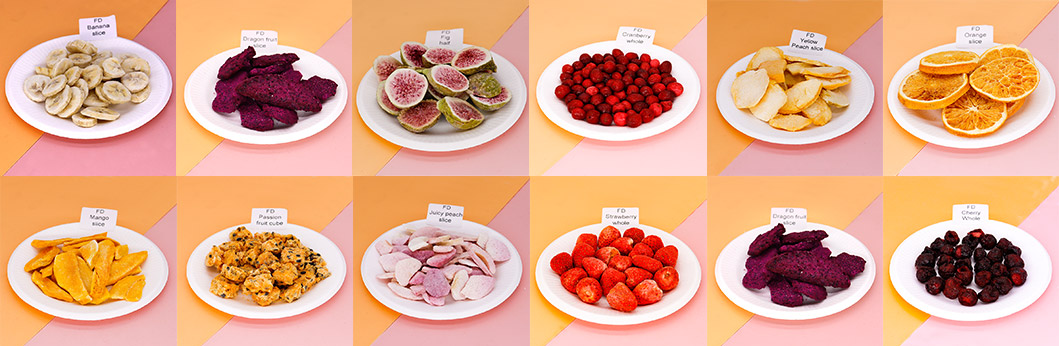
In Tianjin TTN, you can get more than 100 kinds of fruit and vegetable chips, all of them are 100% made from fruit and vegetable, without any additives, no sugar, no maltodextrin, pure and natural. Every year, more than 50 tons fruit and vegetable chips export to Europe, Middle East of Asia, North of America, East of Asia. Clients used them for smoothies, bake, chocolate, jams. We have many years of hands-on export experience shipping pure freeze-dried fruit products to customers in all these major markets, so we know exactly what documentation each country's customs authority and food safety agency expects to see on every shipment, and we can help you avoid all those common compliance mistakes.
For international export, customs, and food regulatory purposes around the world, freeze-dried fruit is unambiguously classified as a processed fruit product. This is not a negative thing at all – this classification actually works in your favor as a global food trader, by freeing your cargo from most of the heavy, unpredictable phytosanitary rules that apply to fresh produce, simplifying clearance, removing time pressure, and making your global supply chain far more reliable. The only thing you need to do is take the classification seriously, declare it correctly, prepare the correct standard documentation, and make sure you follow the processed food labeling rules in each of your import markets, and you will have a smooth, low-risk operation.