Shipping or Delivery
What Are Fried Dried Vegetables Made Of?
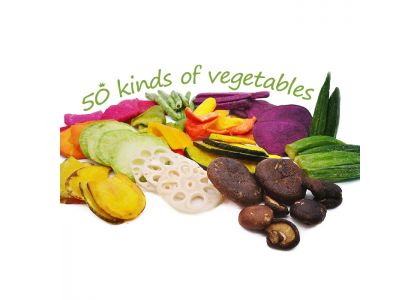
Fried dried vegetables, sometimes referred to as vegetable chips, are made from a variety of vegetables that are thinly sliced or cut into chip-like shapes, then fried until they become crispy. The specific vegetables used can vary, but some common choices for making fried dried vegetables include:
Potatoes: Potato chips are perhaps the most famous example of fried dried vegetables. Thinly sliced potatoes are deep-fried to create the classic potato chip.
Sweet Potatoes: Slices or strips of sweet potatoes are often used to make sweet potato chips.
Carrots: Carrot chips are a popular choice and are known for their slightly sweet and earthy flavor.
Beets: Beet chips are made from thin slices of beets, which can be sweet and slightly earthy in taste.
Kale: Kale chips are made from kale leaves that are seasoned and roasted or fried until crispy. These are often used as a healthy alternative to traditional potato chips.
Zucchini: Slices of zucchini can be fried to create a crispy and savory snack.
Eggplant: Thin slices of eggplant can be seasoned and fried to make eggplant chips.
Bell Peppers: Bell pepper strips are sometimes fried to create crunchy pepper chips.
Okra: Okra can be sliced into thin rounds and fried to make okra chips.
Other Vegetables: Some brands and recipes may use other vegetables like yams, parsnips, and even leafy greens like spinach for making vegetable chips.
The process of making fried dried vegetables typically involves the following steps:
Slicing Or Cutting: The vegetables are thinly sliced or cut into the desired shapes. The thickness of the slices can affect the final texture and crispiness of the chips.
Seasoning: The sliced vegetables are often seasoned with a variety of flavorings, such as salt, pepper, herbs, spices, or even sugar for sweet varieties.
Frying: The seasoned vegetable slices are then deep-fried or, in some cases, oven-baked. Frying or baking at a high temperature crisps up the slices and removes moisture, leaving them crunchy.
Draining And Drying: After frying, the excess oil is drained, and the chips are allowed to cool and dry to remove any remaining oil.