Shipping or Delivery
Does Freeze Dried Fruit Cause Cavities?
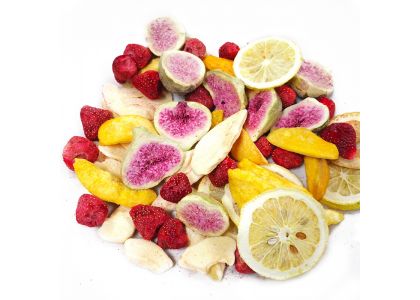
Freeze-dried fruit has become a popular snack option for those seeking a convenient, nutritious alternative to fresh fruit. It involves removing water from the fruit under low temperatures and pressure, preserving its nutrients and flavor. However, when it comes to oral health, particularly concerning cavities, it's essential to consider how freeze-dried fruit interacts with teeth.
Cavities, or dental caries, are caused by the demineralization of tooth enamel due to the acidic environment created by bacterial fermentation of sugar in the mouth. Any food containing fermentable carbohydrates (sugars and starches) can contribute to this process, including freeze-dried fruit. Here's a closer look at the relationship between freeze-dried fruit and cavities:
1. Sugar Concentration
Freeze-drying removes water from fruit, concentrating its natural sugars. While the type of sugar in fruit (fructose) is the same before and after freeze-drying, the lack of water means these sugars can more readily adhere to teeth, potentially increasing the risk of cavities if oral hygiene is not adequately maintained. The sticky nature of some Freeze-Dried Fruits can adhere to teeth surfaces, creating a favorable environment for bacteria to thrive and produce acids.
2. Acidity
Fruits inherently contain acids, which can contribute to dental erosion, a process different from but related to cavities. Dental erosion involves the direct loss of tooth enamel due to acid without bacterial involvement. Though freeze-drying does not significantly alter a fruit's acidity, concentrated fruit acids in contact with teeth can weaken enamel, making it more susceptible to decay.
3. Nutritional Content
Despite the concentration of sugars and potential for increased acidity, Freeze-Dried Fruit retains most of the vitamins and antioxidants found in fresh fruit. These nutrients can contribute to overall health, including oral health, by supporting the immune system and reducing inflammation. However, it's essential to balance these benefits with the risk of increased sugar exposure to teeth.
4. Saliva Production
Chewing freeze-dried fruit can stimulate saliva production, which helps neutralize acids in the mouth, remineralize enamel, and wash away food particles. This natural defense mechanism can mitigate some risks associated with eating freeze-dried fruit, provided that the fruit is not overly sugary or sticky.
Mitigation Strategies
To enjoy freeze-dried fruit without significantly increasing the risk of cavities, consider the following tips:
Moderation: Enjoy freeze-dried fruit as part of a balanced diet, and avoid consuming it excessively, especially between meals as a snack.
Oral Hygiene: Brush your teeth twice a day with fluoride toothpaste and floss daily. Consider brushing or rinsing your mouth with water after consuming freeze-dried fruit to remove any residual sugars and acids.
Hydration: Drink plenty of water, especially after eating freeze-dried fruit, to help rinse sugars and acids from the mouth and stimulate saliva production.
Pairing with Other Foods: Combine freeze-dried fruit with foods that promote oral health, such as cheese or nuts, which can help neutralize acids and reduce the risk of cavities.
In conclusion, while freeze-dried fruit can contribute to cavity formation due to its concentrated sugars and potential stickiness, its impact can be mitigated with proper oral hygiene practices and consumption in moderation. Enjoying Freeze-Dried Fruit as part of a varied and balanced diet, while paying attention to dental care, can allow for the benefits of this convenient snack without significantly compromising oral health.